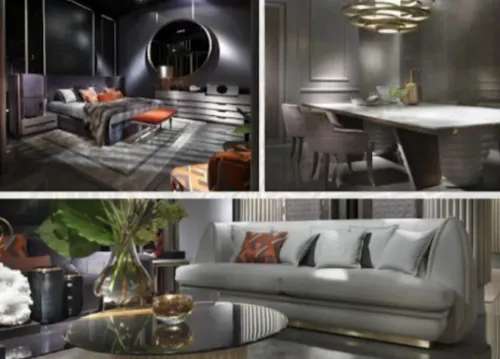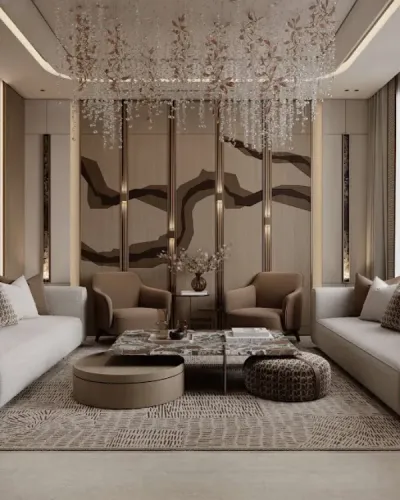


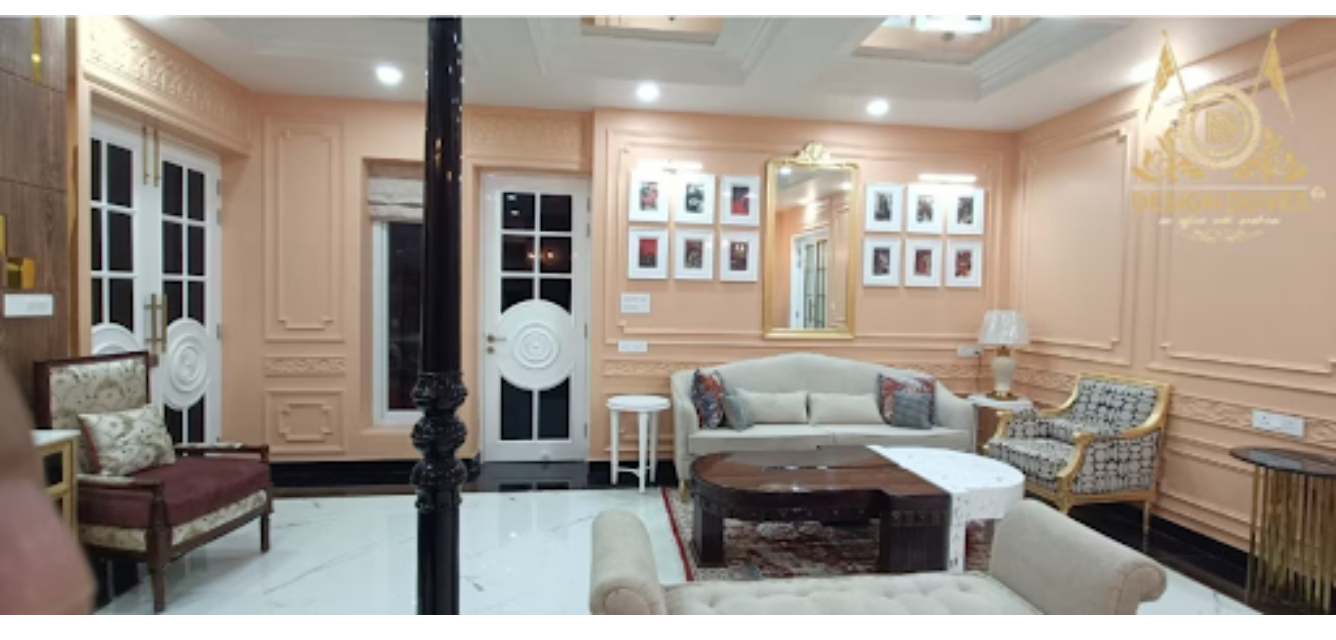
A well-designed home is more than a collection of attractive furniture, colours, and decorative pieces. It should support everyday routines, make efficient use of available space, and reflect the personality of the people living there. Working with a residential interior designer can help homeowners bring these different requirements together in a practical design plan.
For homeowners in Noida and across Delhi NCR, residential interiors often need to address specific challenges such as compact apartment layouts, storage requirements, natural light, multifunctional rooms, and changing family needs. Understanding the design process can make it easier to plan a home that remains comfortable for years.
Understanding the Role of a Residential Interior Designer
A residential interior designer looks at the home as a complete environment rather than treating each room as an isolated decorating project. The process usually begins by understanding how the occupants use the space.
Important considerations may include:
- Number of family members
- Daily routines
- Storage requirements
- Furniture preferences
- Lighting needs
- Colour preferences
- Existing architectural limitations
- Lifestyle requirements
For example, a family that regularly entertains guests may require a more open living and dining arrangement. A household with children may prioritise durable materials, accessible storage, and flexible spaces.
Planning Space Before Selecting Finishes
One of the most important parts of residential interior design happens before colours, wallpapers, and decorative finishes are selected.
Space planning determines where furniture will be positioned, how people will move between rooms, and how effectively every part of the property can be used.
In apartments, careful planning can help prevent rooms from feeling crowded. In villas, the challenge may be creating visual continuity across larger spaces while ensuring that individual rooms retain their own purpose.
A thoughtful layout considers circulation paths, furniture proportions, door movement, natural lighting, electrical points, and storage requirements before major execution begins.
Storage Should Be Part of the Design
Storage is often treated as an addition after the layout is finalised. A better approach is to integrate storage into the original design.
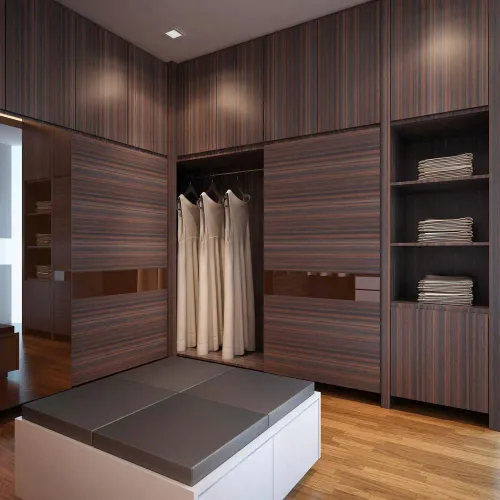
Built-in wardrobes, concealed cabinets, entertainment units, kitchen storage, study units, and multifunctional furniture can help reduce visible clutter.
In many Noida apartments, where efficient use of floor area is important, customised storage can make a noticeable difference. The objective is not simply to create more cabinets but to place storage where it naturally supports daily activities.
Materials Influence Everyday Comfort
Interior materials should be selected according to how a space will actually be used.
A visually attractive surface may not always be suitable for a high-traffic area. Similarly, delicate finishes may require more maintenance than a busy household wants to manage.
When comparing materials, homeowners can consider:
- Durability
- Cleaning requirements
- Moisture resistance
- Scratch resistance
- Long-term appearance
- Maintenance needs
- Compatibility with the overall design
Material selection becomes particularly important in kitchens, bathrooms, children's rooms, and frequently used living spaces.
Lighting Changes How Interiors Feel
Lighting affects both functionality and atmosphere. A good residential lighting plan usually combines general lighting, task lighting, and accent lighting.
General illumination makes rooms comfortable to navigate. Task lighting supports activities such as cooking, reading, grooming, and working. Accent lighting can highlight artwork, wall textures, furniture, or architectural features.
Natural daylight should also influence furniture placement and colour selection.
Designing for Real Life
A successful home interior does not need to follow every design trend. It needs to work for the people who live there.
Design Doves approaches residential interiors by considering spatial planning, functionality, materials, furniture, storage, and visual character as connected elements. For homeowners across Noida and Delhi NCR, this type of integrated planning can help turn an empty property or dated interior into a more coherent living environment.
The most useful starting point is to identify how each room needs to function. Once those priorities are clear, design decisions become easier, more purposeful, and better suited to everyday life.