

A fixed renovation budget becomes expensive when decorative upgrades consume money before electrical, plumbing, waterproofing, storage and safety problems are resolved. By separating fixed project costs from room-specific choices, you can decide where each rupee goes, compare quotes fairly and postpone upgrades without compromising daily use.
Key takeaways
- Fund plumbing, electrical, waterproofing and repairs before decorative finishes.
- Give more budget to rooms creating the greatest daily cost or disruption.
- Separate essential construction from upgrades you can add later.
- Compare quotes using room, specification, quantity and installation details.
Start With the Work You Cannot Easily Replace
Divide the fixed budget before selecting marble, laminates or sofas. Protect the work that disappears behind walls or floors first: plumbing routes, drainage, electrical circuits, ventilation, waterproofing and substrate repairs. A leaking bathroom or undersized electrical system can force you to remove finished surfaces and pay for labour twice.
Use a room-by-room interior budget with separate allowances for:
- Planning and measurements, including appliance locations, circulation, door clearances and accessible bathroom manoeuvring space.
- Civil work budget for demolition, floor levelling, wall repairs and concealed service changes.
- Electrical, plumbing, carpentry, lighting, finishes, furniture and décor as separate headings.
- A renovation contingency for uneven floors, damaged pipes, inadequate electrical capacity, design revisions and price changes.
Ask an affordable interior designer to show exclusions and fixed versus optional costs instead of presenting one exact total. Reserve kitchen funds for power, water, ventilation and service access before cabinetry; reserve wardrobe funds for usable storage, hinges and runners before decorative shutters.
| Work | Protect in the first allocation | Defer when money is tight |
|---|---|---|
| Electrical and plumbing | Circuits, outlets, water points, drainage and ventilation | Decorative lighting upgrades |
| Bathrooms | Waterproofing, slopes, pipes and sanitaryware | Feature tiles and premium fittings |
| Living room | Circulation, viewing distance, sockets and essential joinery | Fixed TV walls, panelling and ceiling features |
| Bedrooms | Storage capacity, durable internals and access clearances | Mirrored shutters and luxury finishes |
Loose seating and freestanding furniture can follow later. Fixed geometry cannot.
Give the Largest Share to the Room Causing the Greatest Daily Cost
Count daily friction, not room size. The room deserving the largest share is the one that creates the most repeated inconvenience, affects the most people, or becomes expensive to correct later. Use those three measures to prioritise interior budget before choosing finishes.
| Room | Give it the largest share when | Protect the budget for |
|---|---|---|
| Kitchen | Everyone uses it daily, storage is inadequate, or services need relocation | Cabinets, reliable runners and hinges, ventilation, power, water and service access |
| Bathroom | Waterproofing, drainage, ventilation or concealed plumbing has failed | Substrate preparation, pipe access, falls to the drain and sanitaryware |
| Bedroom | Clothing is spilling into living areas or several people share limited storage | The bedroom storage budget, internal fittings and usable circulation |
| Living room | The household entertains frequently or fixed joinery solves a real need | Seating, sockets and viewing distance; phase decorative panelling |
| Home office | Someone works there every day and poor ergonomics reduce productive time | The office interior budget for a proper workstation, lighting and cable management |
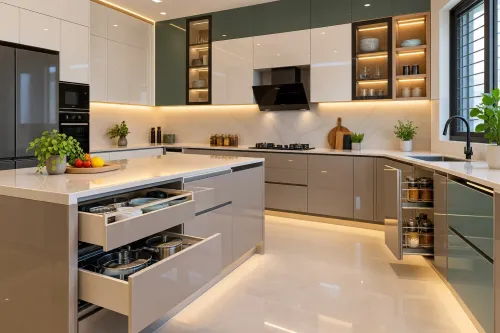
A kitchen often ranks first because a mistake affects cooking, cleaning and storage every day. Set the kitchen renovation budget around appliance locations before final electrical and plumbing drawings; attractive shutters cannot rescue unsafe ventilation, inaccessible service points or unusable corners. Spend on carcass quality, hardware and installation before premium laminates.
Choose the bedroom instead when storage is the dominant daily failure, or the office when work occupies most weekdays. Keep contingency for uneven floors, damaged pipes and inadequate electrical capacity, because a room with hidden site risk can overtake the room that looked most important.
Separate Essential Room Costs From Upgrades You Can Phase
Pay first for work that becomes expensive to alter, then phase finishes and movable items. Use this room-by-room order:
- Kitchen: Fix appliance locations before electrical and plumbing drawings. Fund ventilation, service access, power and water points, then kitchen cabinets and hardware. Decorative shutters, feature lighting and premium handles can wait.
- Bathroom: Put bathroom waterproofing, drainage, plumbing, safe electrical work and sound substrates ahead of wall finishes. Buy reliable sanitaryware and useful facial lighting before mirrors, niches or designer fittings.
- Bedroom: Set the bedroom wardrobe budget around your actual clothing mix. Pay for usable hanging space, shelves, ventilation where needed, and dependable hinges or runners before mirrored shutters, fluted glass or elaborate finishes.
- Living room: Keep the living room furniture budget flexible with seating that can be replaced or added later. Confirm viewing distance, circulation and socket positions before funding a fixed TV wall, ceiling feature or extensive panelling.
- Office: Pay for the workstation, correct electrical points, data access, task lighting and comfortable seating first. Add built-in storage, acoustic panels and decorative joinery after the work area functions properly.
Phase upgrades only after concealed services, safety and daily use work. Bedrooms need ambient and bedside task lighting; kitchens need shadow-free work-surface lighting; bathrooms need even facial light. In a living room, dimmable layers can follow later.
Protect door clearances, manoeuvring space and reachable controls before ornamental finishes if the home must serve an older person or someone with a disability.
Compare Quotes by Room, Specification and Quantity
A room-wise quotation is the only reliable basis for an interior design quote comparison. Ask for separate totals for the kitchen, each bathroom, bedrooms, living room and office, then check whether planning, civil work, electrical work, carpentry, finishes, lighting, furniture and décor appear under the correct room.
| Quote item | What the quote must show | Why it affects comparison |
|---|---|---|
| Scope | Exact work included, room by room, with drawings or elevations referenced | One proposal may include demolition or installation that another omits |
| Quantity | Number of cabinets, square metres of flooring, running feet of wardrobes, light points and furniture pieces | A lower total may simply cover less work |
| Material specifications | Carcass and shutter material, laminate or veneer code, hardware brand and model, sanitaryware, wiring size and appliance rating | “Premium finish” cannot be compared with a named product and thickness |
| Labour | Separate interior design labour costs, manufacturing, delivery and installation charges | A cheap design fee may hide expensive site labour |
| Price basis | Unit rate, quantity, subtotal, GST, and whether the rate is fixed or provisional | You can recalculate changes instead of accepting a new lump sum |
| Exclusions | Civil repairs, uneven floors, plumbing replacement, electrical-capacity upgrades, approvals and debris removal | These discoveries can consume the apparent saving |
Ask Design Doves, or any studio you consider, to price the same specification schedule rather than accepting two differently worded packages. Confirm the contingency allowance separately; it is not a substitute for listing omissions.
Related products
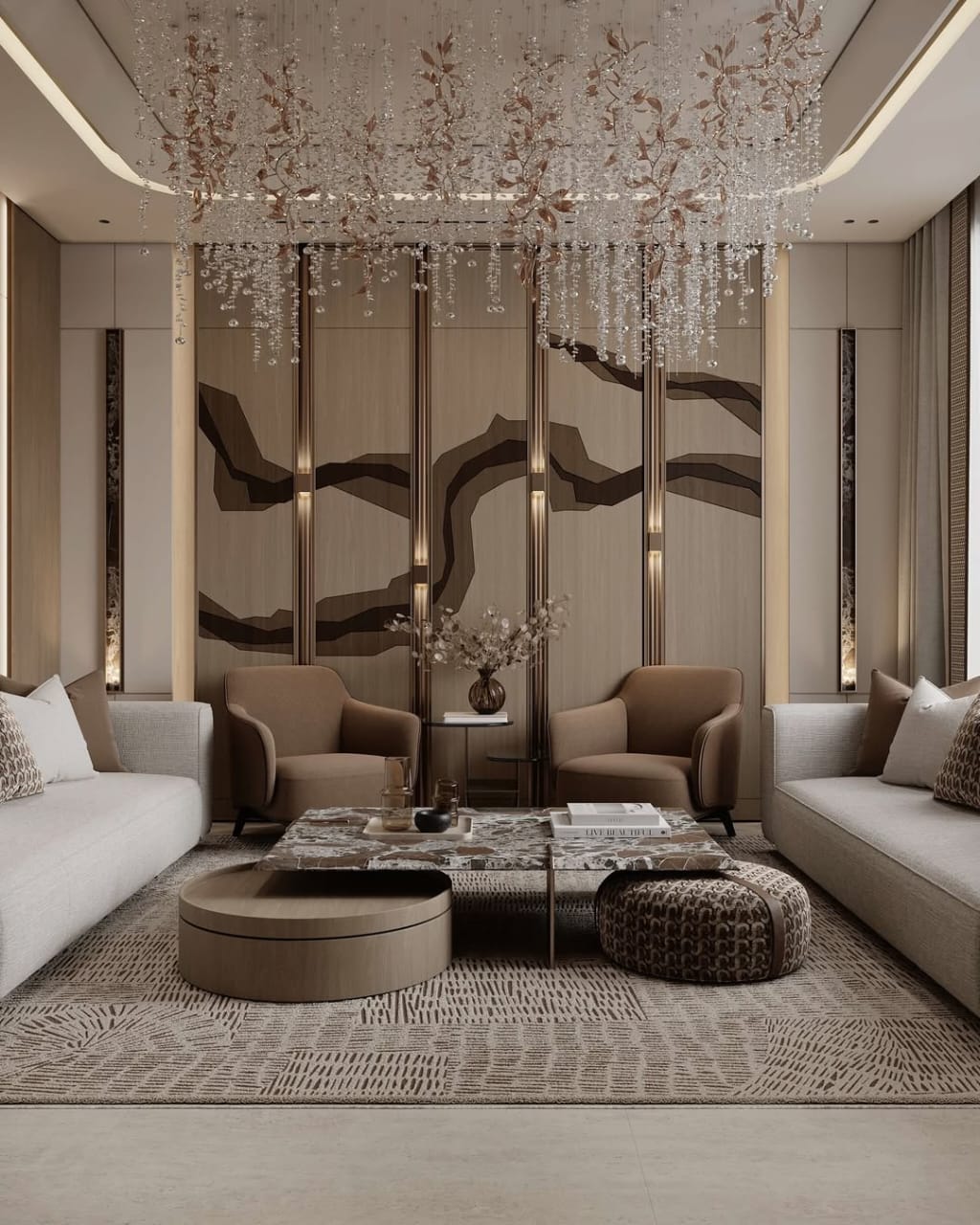 | Interior design Living room interiors by a studio like Design Doves in Noida are typically styled as upscale, glamorous spaces that blend modern contemporary... View product → |
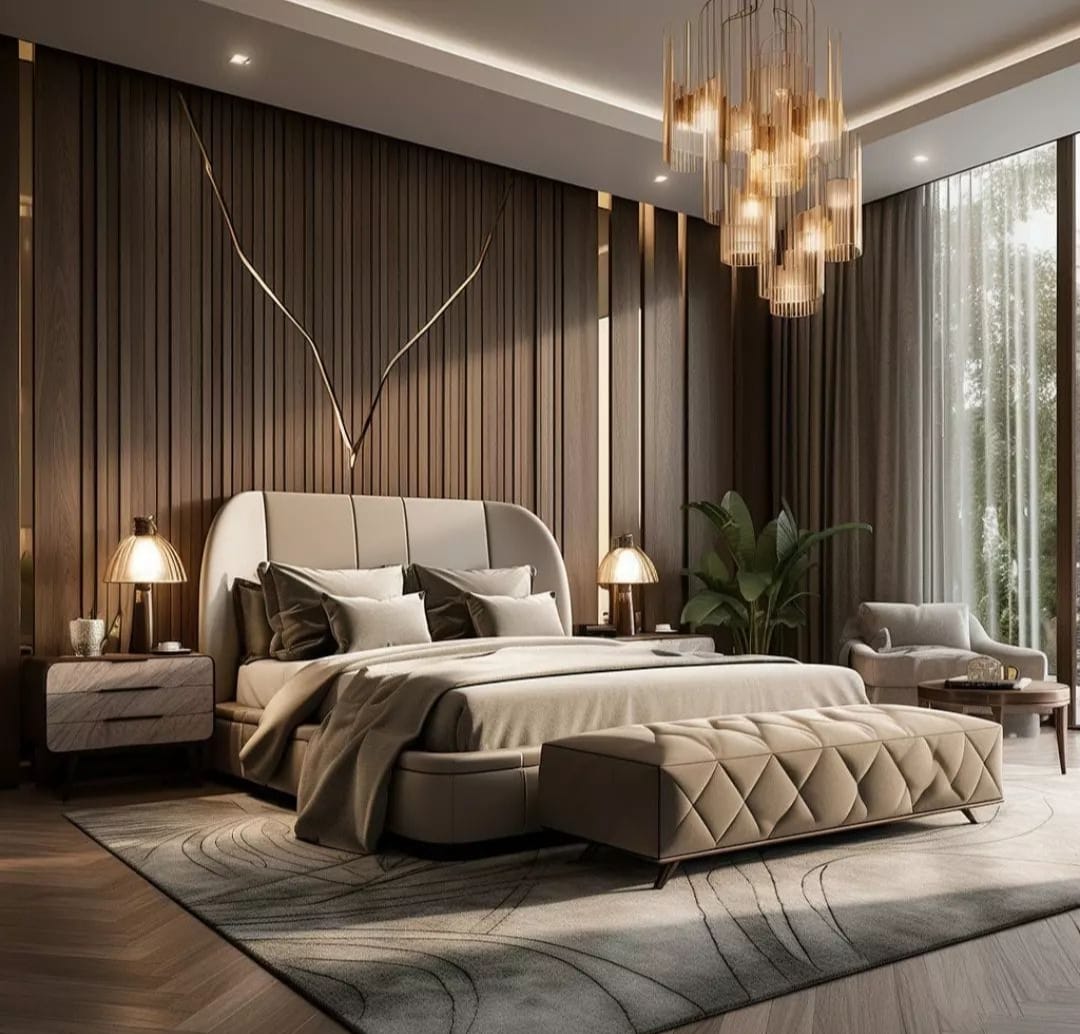 | Interior design by a studio like Design Doves in Noida are typically luxurious, tailored spaces that balance comfort, mood lighting and refined detailing. Overall... View product → |
Find the Costs Hidden Behind an Affordable Initial Quote
A low quote becomes expensive when it covers the visible design but omits the work required to make each room function. Treat the price as incomplete until it shows quantities, unit rates, labour, delivery, installation, taxes, protection, disposal and making-good for every room.
Ask for these controls before signing:
- A room-by-room scope stating what the contractor will build, supply, install and finish.
- A schedule of interior renovation exclusions, including demolition, floor levelling, plumbing relocation, electrical-capacity upgrades, painting after carpentry and debris removal.
- A line-by-line register of provisional sums, with the assumed quantity, product grade, labour rate and adjustment method. Replace an allowance with a fixed price after a site inspection; a small provisional sum for concealed pipe repairs can otherwise become an open-ended bill.
- A written variation procedure requiring your approval of the description, price and completion-date effect before work starts. Never approve interior design variation orders verbally or after installation.
- Designer revision limits stating the number of drawing or layout rounds included, the fee for extra revisions and the deadline for design changes. Late changes can trigger new materials, wasted fabrication and reinstallation costs.
Keep a contingency separate from the quote rather than letting the contractor spend it silently. Reserve it for documented site discoveries or agreed scope changes, and compare each invoice against the original quantities, approved variations and remaining provisional sums.
Frequently asked questions
Which interior work should you fund first?
Fund hidden and difficult-to-replace work first, including plumbing routes, drainage, electrical circuits, ventilation, waterproofing and substrate repairs.
How do you decide which room gets the largest budget share?
Prioritise the room causing the greatest daily cost, disruption or functional problem rather than dividing the budget equally.
Which interior upgrades can you postpone?
Postpone decorative upgrades that do not affect safety or function, such as premium finishes, selected hardware and some styling elements, after essential work is complete.
How should you compare interior design quotes?
Compare each quote by room, material specification, quantity, installation scope and exclusions instead of comparing only the total price.
What can make an affordable interior design quote cost more later?
Check for excluded demolition, repairs, electrical changes, plumbing alterations, site protection, transport, installation labour, hardware and taxes before accepting the quote.
Related products
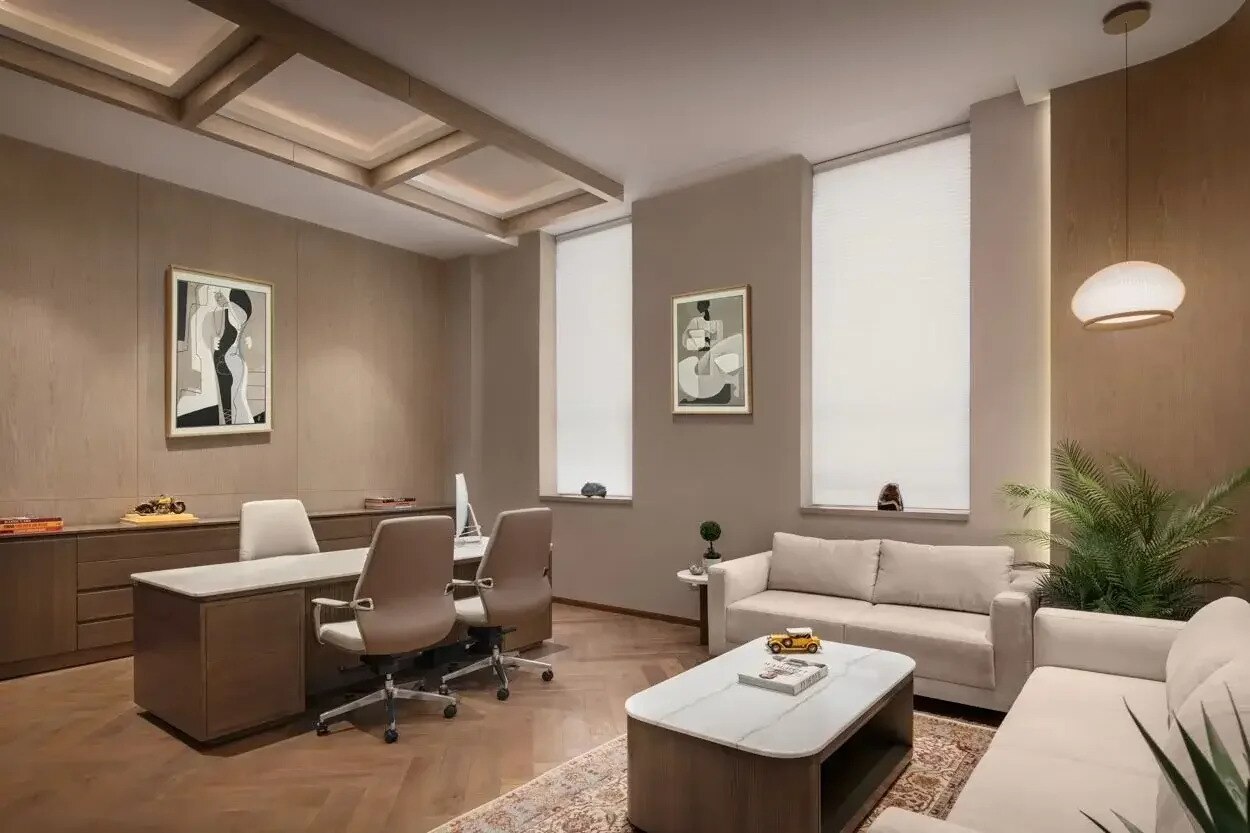 | Interior design Workspaces That Think, Create, and Inspire. We create dynamic and modern workspaces that foster productivity and innovation. View product → |
 | Interior design TV panel designs done in the Design Doves style would typically be sleek, luxurious focal walls that integrate storage, lighting and decor around the... View product → |
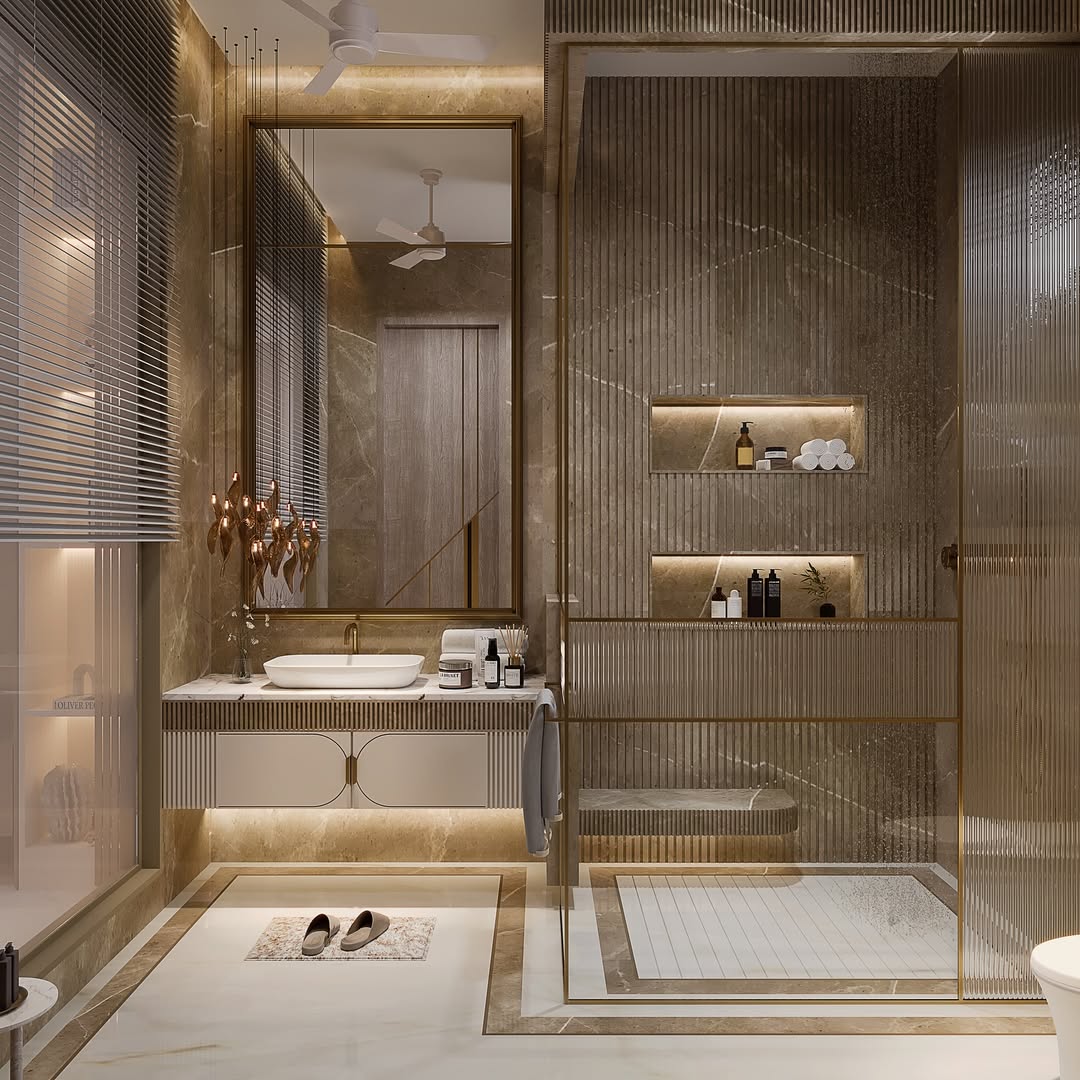 | Interior design Company Overview Design Doves provides modern bathroom interior solutions, emphasizing products and custom designs for homes in Noida. View product → |
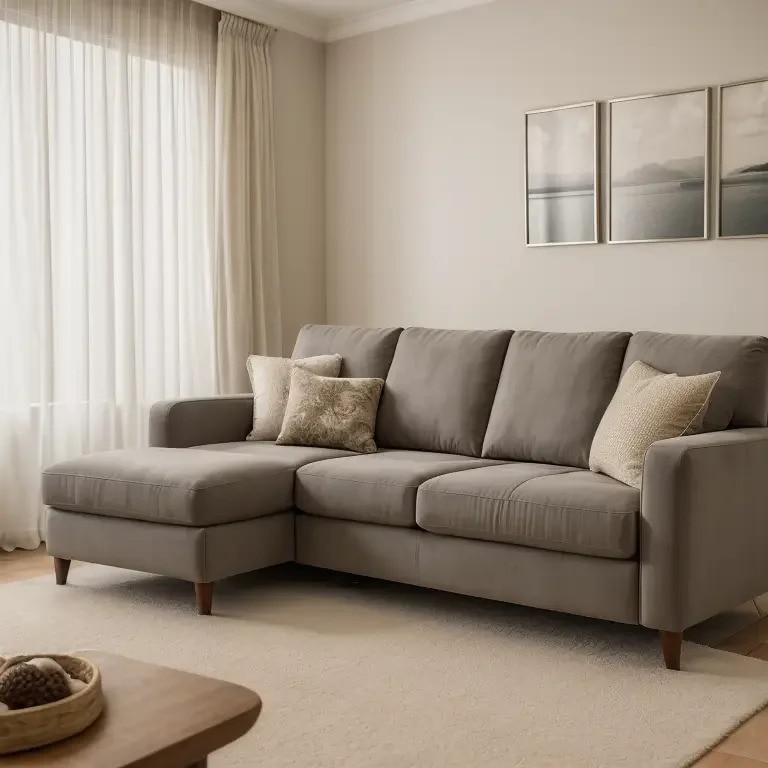 | Luxury Furniture Sofas We offer sofas that are crafted with exceptional quality materials, ensuring durability and comfort. |