Standard wardrobes are designed around standard dimensions, but bedrooms rarely follow perfectly standard layouts. Columns, windows, unusual wall widths, ceiling variations, dressing areas, and individual storage habits can all create situations where ready-made furniture leaves valuable space unused.
This is where bespoke wardrobes can provide a more tailored solution. Rather than adapting the room to suit a pre-designed cabinet, customised wardrobes can be developed around the room and the owner's actual storage requirements.
When Customisation Makes a Practical Difference
Custom wardrobes are particularly useful when a bedroom has architectural limitations.
Examples include:
- Narrow wall sections
- Sloped ceilings
- Structural columns
- Uneven niches
- Limited floor space
- Large dressing areas
- Full-height storage requirements
- Unusual room proportions
In such situations, furniture designed to exact measurements can make better use of otherwise difficult spaces.
Internal Planning Is the Biggest Advantage
The appearance of a wardrobe is important, but its internal organisation determines how convenient it is every day.
Someone with extensive formal clothing may need more hanging space. Another homeowner may prefer shelves and drawers. A couple sharing one wardrobe may require clearly divided zones.
Bespoke wardrobes allow the internal arrangement to respond to these differences.
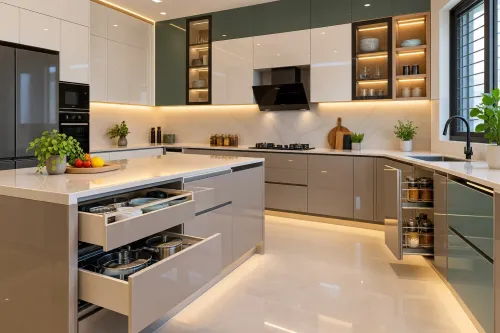
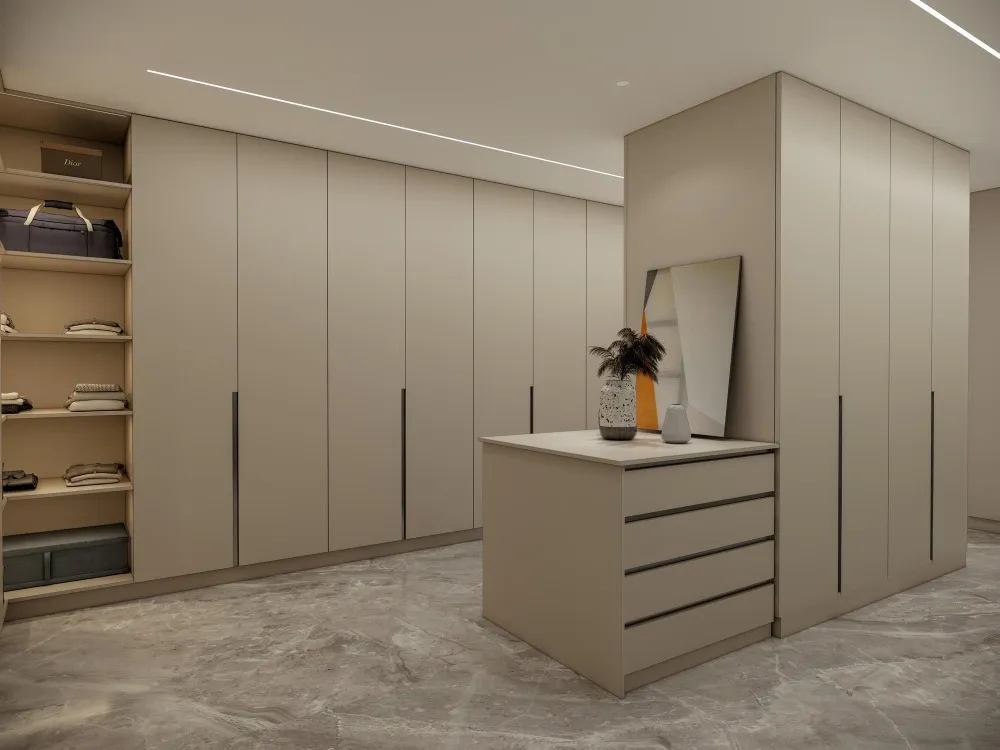
Custom elements can include jewellery trays, trouser pull-outs, accessory organisers, shoe racks, laundry compartments, adjustable shelving, dedicated bag storage, and concealed lockers.
Better Integration with the Bedroom
Customised furniture can be designed as part of the architecture of the bedroom.
A wardrobe may visually connect with the bed back panel, dressing table, television unit, or study area. Consistent materials and detailing can create a cleaner, more cohesive appearance.
This is particularly relevant in premium apartment and villa interiors where multiple furniture elements need to feel connected.
Material Selection Should Match Usage
There is no single finish that is ideal for every customised wardrobe.
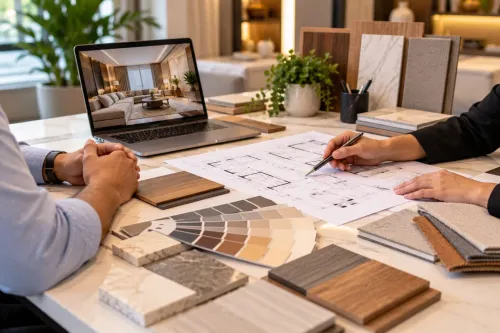
The selection should account for the desired aesthetic, maintenance expectations, budget, and frequency of use.
Possible design approaches range from understated laminates and wood textures to premium veneers, glass shutters, mirrors, fluted details, upholstered accents, and metallic elements.
Hardware quality is equally important. Hinges, drawer channels, handles, sliding mechanisms, and accessories affect how the wardrobe feels in everyday use.
Custom Furniture Requires Accurate Planning
Poor measurement can undermine even an attractive wardrobe design.
Electrical switches, air-conditioning positions, skirting, ceiling details, flooring levels, and nearby furniture should all be considered before fabrication.
For homeowners in Noida and Delhi NCR, this becomes particularly relevant when interiors are being completed alongside civil, electrical, false-ceiling, and flooring work.
Coordinating these activities reduces the likelihood of modifications during installation.
Think Beyond Maximum Storage
A common misconception is that customisation simply means fitting as much storage as possible into every available centimetre.
Effective design also protects visual balance.
An oversized wardrobe can dominate a small bedroom. Strategic use of lighter finishes, recessed details, mirrors, open niches, and well-proportioned shutter divisions can help larger storage units feel less imposing.
Design Doves incorporates customised furniture into broader residential interior planning, allowing storage requirements to be considered alongside spatial character.
For homeowners seeking bespoke wardrobes in Noida and across Delhi NCR, the value of customisation lies in creating furniture that responds to the room, belongings, habits, and overall interior. When these elements are carefully measured and planned, a wardrobe can function as both efficient storage and an integrated part of the bedroom architecture.
Keywords