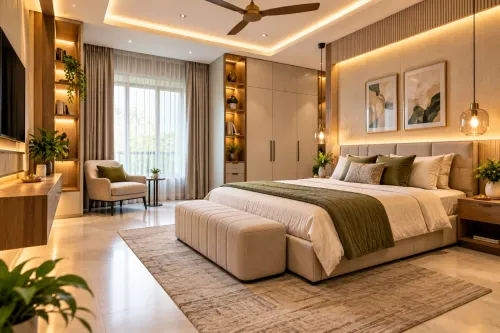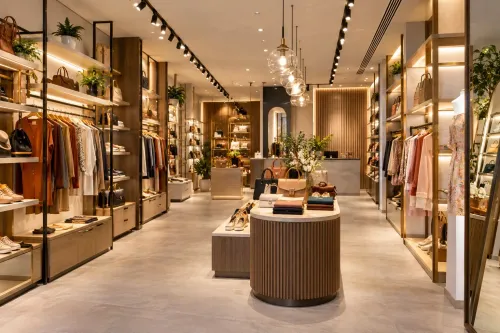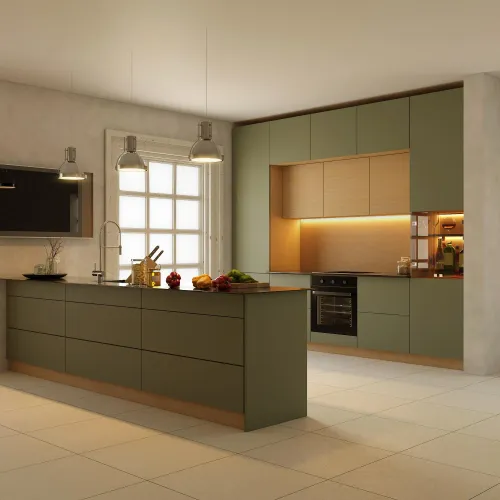
Creating a stylish and functional home does not always require an unlimited budget. Many homeowners believe that professional interior design is only meant for luxury residences, but that is no longer true. With careful planning and the right approach, working with an affordable interior designer can deliver impressive results while keeping costs under control.
Whether you are renovating a newly purchased apartment or updating an older home in Noida, understanding where to invest and where to save can help you create interiors that are practical, attractive, and built to last.
Affordable Does Not Mean Cheap
One of the biggest misconceptions is that affordability comes at the expense of quality.
An affordable interior designer focuses on maximising value rather than simply reducing costs.
This involves:
- Smart space planning
- Practical material selection
- Efficient project management
- Custom solutions within budget
- Prioritising long-term durability
Instead of eliminating important features, the goal is to allocate your budget wisely.
Define Your Priorities Before You Begin
Every homeowner has different expectations from an interior project.
Some prioritise storage, while others want premium finishes or customised furniture.
Start by identifying what matters most:
- Functional kitchen
- Spacious wardrobes
- Comfortable living room
- Home office
- Children's room
- Premium lighting
- Decorative elements
Clear priorities make it easier to control expenses without sacrificing essential features.
Plan a Realistic Budget
Interior projects often become expensive because budgets are not clearly defined.
A practical budget should account for:
- Furniture
- Modular units
- Electrical work
- False ceiling
- Lighting
- Flooring changes
- Painting
- Decorative accessories
- Contingency expenses
Setting realistic expectations helps prevent unnecessary financial stress during execution.
Focus on High-Impact Areas
If your budget is limited, concentrate on spaces that have the greatest influence on everyday living.
Examples include:
- Living room
- Kitchen
- Master bedroom
- Entrance foyer
Upgrading these areas first often creates a noticeable improvement throughout the home without requiring a complete renovation.
Invest in Timeless Designs
Trendy interiors may look attractive today but can become outdated quickly.
Instead, choose timeless elements such as:
- Neutral colour palettes
- Simple furniture designs
- Durable materials
- Functional storage
- Quality lighting
Classic designs remain visually appealing for years and reduce the need for frequent updates.
Custom Furniture Can Be More Cost-Effective
Many homeowners assume ready-made furniture is always cheaper.
However, customised furniture often provides better value because it fits the available space perfectly, reducing wasted areas and improving storage.
Well-designed custom units also eliminate the need for additional standalone furniture later.
Compare Material Options Carefully
Premium materials are not always necessary in every part of the home.
An experienced designer can recommend alternatives that deliver similar aesthetics at a lower cost.
For example:
- Laminates instead of expensive veneers in selected areas
- Engineered stone for practical countertops
- Durable modular hardware that balances quality and price
- Easy-maintenance finishes for frequently used spaces
Thoughtful substitutions can significantly reduce the overall budget without affecting the design.
Avoid Frequent Mid-Project Changes
Changing layouts, finishes, or furniture designs after work has started often leads to delays and additional costs.
Finalise decisions related to:
- Floor plans
- Materials
- Colour schemes
- Electrical layouts
- Furniture designs
before execution begins.
Proper planning is one of the easiest ways to stay within budget.
Choose a Designer with Execution Experience
Design concepts alone are not enough.
Professionals who also manage execution understand labour coordination, vendor management, manufacturing timelines, and installation requirements.
This integrated approach reduces miscommunication and helps maintain better cost control throughout the project.
Companies such as Design Doves combine design expertise with execution capabilities, allowing homeowners to receive practical solutions that balance aesthetics, functionality, and affordability.
Local Knowledge Supports Better Budget Planning
Material availability, labour costs, and project timelines vary across regions.
Designers familiar with Noida and the broader Uttar Pradesh market often have stronger relationships with suppliers and manufacturers, making it easier to source quality materials at competitive prices.
Their local experience can also help avoid delays caused by procurement challenges.
Value Should Always Guide Your Decision
The lowest quotation is not necessarily the best investment.
When comparing interior designers, evaluate:
- Design quality
- Material recommendations
- Scope of work
- Project timeline
- Transparency
- Communication
- After-completion support
A thoughtfully planned interior should improve your daily life, maximise available space, and remain functional for many years.
Choosing an affordable interior designer is ultimately about finding someone who understands your goals, respects your budget, and delivers solutions that provide lasting value rather than temporary savings.
Keywords